Ever wondered who keeps the digital heartbeat of a company strong? Meet the systems manager — the unsung hero ensuring technology runs smoothly, securely, and efficiently across organizations.






What Is a Systems Manager?

A systems manager plays a pivotal role in overseeing an organization’s IT infrastructure. This professional ensures that computer systems, networks, software, and hardware function seamlessly to support business operations. The role blends technical expertise with strategic planning, making it essential in today’s tech-driven world.
Core Definition and Scope
The term systems manager refers to an IT professional responsible for managing, maintaining, and optimizing an organization’s technological systems. This includes servers, databases, operating systems, cloud platforms, and internal networks. Their scope extends beyond troubleshooting; they are involved in system design, security protocols, performance monitoring, and long-term IT planning.
systems manager – Systems manager menjadi aspek penting yang dibahas di sini.
- Manages both on-premise and cloud-based systems
- Coordinates with development, security, and operations teams
- Implements policies for data integrity and system availability
“A systems manager is the glue that holds modern IT infrastructure together.” — TechTarget
Evolution of the Role
Originally focused on mainframe and server administration, the role of a systems manager has evolved dramatically with the rise of cloud computing, DevOps, and cybersecurity threats. Today’s systems manager must be fluent in automation tools, containerization (like Docker and Kubernetes), and infrastructure-as-code (IaC) practices.
According to a report by U.S. Bureau of Labor Statistics, demand for systems software developers and managers is projected to grow 11% from 2022 to 2032, much faster than the average for all occupations.
Key Responsibilities of a Systems Manager
The day-to-day duties of a systems manager are diverse and demanding. They must balance reactive support with proactive planning to ensure system reliability and scalability.
systems manager – Systems manager menjadi aspek penting yang dibahas di sini.
System Maintenance and Monitoring
One of the primary responsibilities of a systems manager is to ensure all systems are running optimally. This involves regular monitoring of server performance, network traffic, and application health using tools like Nagios, Zabbix, or Datadog.
- Conducts routine system audits and patch management
- Implements automated monitoring alerts for downtime or anomalies
- Performs root cause analysis during outages
By leveraging real-time dashboards and log analytics, systems managers can preemptively identify bottlenecks before they impact users.
Security and Compliance Management
With cyber threats on the rise, systems managers are on the front lines of organizational defense. They implement firewalls, intrusion detection systems (IDS), and endpoint protection solutions to safeguard sensitive data.
systems manager – Systems manager menjadi aspek penting yang dibahas di sini.
They also ensure compliance with regulations such as GDPR, HIPAA, or PCI-DSS by maintaining audit trails, access controls, and encryption standards. Regular vulnerability assessments and penetration testing are part of their security protocol.
“In 2023, the average cost of a data breach reached $4.45 million.” — IBM Security Cost of a Data Breach Report
This makes the systems manager’s role in risk mitigation not just technical, but financially critical.
Disaster Recovery and Business Continuity
No system is immune to failure. A skilled systems manager designs and tests disaster recovery (DR) plans to minimize downtime. This includes configuring backups, failover systems, and offsite data replication.
systems manager – Systems manager menjadi aspek penting yang dibahas di sini.
- Develops and documents DR playbooks
- Conducts regular recovery drills
- Ensures Recovery Time Objectives (RTO) and Recovery Point Objectives (RPO) are met
For example, a systems manager might use tools like Veeam or AWS Backup to automate and verify backup integrity across hybrid environments.
Essential Skills for a Successful Systems Manager
Becoming an effective systems manager requires a blend of technical, analytical, and interpersonal skills. The role demands continuous learning due to the rapid pace of technological change.
Technical Proficiency
A systems manager must be proficient in multiple operating systems (Windows, Linux, Unix), virtualization platforms (VMware, Hyper-V), and cloud services (AWS, Azure, Google Cloud). Knowledge of scripting languages such as Python, Bash, or PowerShell is crucial for automating repetitive tasks.
systems manager – Systems manager menjadi aspek penting yang dibahas di sini.
- Mastery of network protocols (TCP/IP, DNS, DHCP)
- Experience with configuration management tools (Ansible, Puppet, Chef)
- Understanding of container orchestration (Kubernetes, Docker Swarm)
For instance, automating server provisioning using Ansible allows systems managers to deploy consistent environments across hundreds of machines in minutes.
Problem-Solving and Analytical Thinking
When systems fail, the systems manager must quickly diagnose and resolve issues. This requires strong analytical skills and the ability to interpret logs, performance metrics, and error messages.
They often use methodologies like the ITIL problem management framework to identify underlying causes rather than just treating symptoms.
systems manager – Systems manager menjadi aspek penting yang dibahas di sini.
“The difference between a good and great systems manager is how they handle the unexpected.” — SysAdmin Magazine
Communication and Leadership
Despite being a technical role, communication is vital. Systems managers must explain complex issues to non-technical stakeholders, write clear documentation, and lead cross-functional teams during outages or upgrades.
- Facilitates incident response meetings
- Trains junior IT staff
- Collaborates with C-suite on IT strategy
Leadership skills become even more important when managing large-scale migrations or digital transformation projects.
Systems Manager vs. Other IT Roles
While the titles may sound similar, a systems manager has distinct responsibilities compared to other IT professionals like network administrators, DevOps engineers, or IT directors.
systems manager – Systems manager menjadi aspek penting yang dibahas di sini.
Differences from Network Administrators
Network administrators primarily focus on the network layer — routers, switches, firewalls, and connectivity. In contrast, a systems manager oversees the entire system stack, including servers, storage, operating systems, and applications.
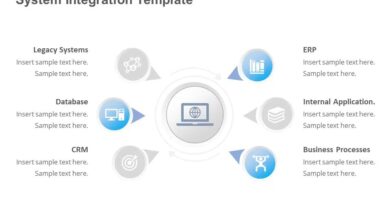
While there is overlap, especially in smaller organizations where one person may wear multiple hats, the systems manager has a broader scope that includes system integration and performance tuning beyond just network health.
Contrast with DevOps Engineers
DevOps engineers emphasize collaboration between development and operations, focusing on CI/CD pipelines, automated testing, and agile deployment. A systems manager may work closely with DevOps teams but is more concerned with infrastructure stability, security, and long-term maintenance.
systems manager – Systems manager menjadi aspek penting yang dibahas di sini.
For example, while a DevOps engineer might build a pipeline to deploy code, the systems manager ensures the underlying servers and databases can handle the load and remain secure.
“DevOps breaks down silos; systems management builds resilient foundations.” — DevOps.com
Comparison with IT Directors
An IT director is a strategic leadership role focused on budgeting, policy-making, and aligning IT with business goals. A systems manager operates at the tactical level, executing the plans set by IT leadership.
However, senior systems managers may transition into IT director roles after gaining experience in project management and organizational leadership.
systems manager – Systems manager menjadi aspek penting yang dibahas di sini.
Tools and Technologies Used by Systems Managers
Modern systems managers rely on a wide array of tools to manage complex IT environments efficiently. These tools help automate tasks, monitor performance, and enhance security.
Monitoring and Alerting Tools
Effective monitoring is the cornerstone of proactive system management. Tools like Nagios, Zabbix, and Datadog provide real-time visibility into system health.
- Track CPU, memory, disk usage, and network latency
- Set up customizable alerts via email, SMS, or Slack
- Generate performance reports for stakeholders
These tools help systems managers detect anomalies before they escalate into outages.
systems manager – Systems manager menjadi aspek penting yang dibahas di sini.
Configuration and Automation Tools
To maintain consistency across environments, systems managers use configuration management tools such as Ansible, Puppet, and Chef. These allow them to define system states as code, enabling repeatable and error-free deployments.
For example, Ansible playbooks can be used to automatically install software, configure firewalls, and update security settings across hundreds of servers simultaneously.
“Infrastructure as code is not just a trend — it’s a necessity.” — Red Hat
Cloud and Virtualization Platforms
With the shift to hybrid and multi-cloud environments, systems managers must be proficient in platforms like Amazon Web Services (AWS), Microsoft Azure, and Google Cloud Platform (GCP).
systems manager – Systems manager menjadi aspek penting yang dibahas di sini.
- Manage virtual machines, storage buckets, and serverless functions
- Implement auto-scaling and load balancing
- Optimize cloud costs using tagging and resource scheduling
Tools like Terraform enable infrastructure provisioning across multiple clouds using declarative configuration files.
How to Become a Systems Manager
Becoming a systems manager typically requires a combination of education, certifications, and hands-on experience. The path varies depending on the individual and the organization.
Educational Background
Most systems managers hold a bachelor’s degree in computer science, information technology, or a related field. Coursework in networking, operating systems, database management, and cybersecurity provides a solid foundation.
systems manager – Systems manager menjadi aspek penting yang dibahas di sini.
Some pursue advanced degrees like an MBA with a technology focus to prepare for leadership roles. However, many enter the field through technical certifications and practical experience.
Key Certifications
Certifications validate expertise and are often required by employers. Some of the most respected credentials include:
- CompTIA A+ and Network+: Foundational IT knowledge
- Microsoft Certified: Azure Administrator Associate: Cloud management on Azure
- Amazon AWS Certified Solutions Architect: Designing scalable cloud systems
- Red Hat Certified Engineer (RHCE): Linux system administration
- ITIL Foundation: Best practices in IT service management
According to CBT Nuggets, certified professionals earn up to 20% more than their non-certified peers.
systems manager – Systems manager menjadi aspek penting yang dibahas di sini.
Gaining Practical Experience
Hands-on experience is crucial. Many systems managers start as help desk technicians, system administrators, or network support specialists. Over time, they take on more responsibility, such as managing servers or leading small projects.
Internships, freelance work, and personal labs (e.g., setting up a home server or cloud sandbox) are excellent ways to build real-world skills.
“The best systems managers are those who’ve broken and fixed systems repeatedly.” — Hacker News Community
Challenges Faced by Systems Managers
Despite the rewarding nature of the role, systems managers face numerous challenges in today’s fast-paced digital landscape.
systems manager – Systems manager menjadi aspek penting yang dibahas di sini.
Managing Legacy Systems
Many organizations still rely on outdated software and hardware that are difficult to maintain and integrate with modern platforms. Systems managers must keep these legacy systems running while planning for eventual migration.
This often involves workarounds, custom scripts, and compatibility layers, which increase complexity and risk.
Keeping Up with Technological Change
The pace of innovation in IT is relentless. New tools, frameworks, and security threats emerge constantly. Systems managers must engage in continuous learning through online courses, webinars, and professional communities.
systems manager – Systems manager menjadi aspek penting yang dibahas di sini.
- Stay updated on zero-day vulnerabilities
- Learn new cloud services and APIs
- Adapt to evolving compliance requirements
Failure to keep up can result in security gaps or inefficient systems.
Balancing Security and Usability
One of the toughest challenges is enforcing security policies without hindering productivity. For example, requiring multi-factor authentication (MFA) improves security but may frustrate users.
Systems managers must find the right balance by implementing user-friendly security measures, providing training, and gathering feedback.
systems manager – Systems manager menjadi aspek penting yang dibahas di sini.
“Security should enable business, not block it.” — NIST Guidelines
The Future of the Systems Manager Role
The role of the systems manager is evolving toward greater automation, intelligence, and strategic influence.
Rise of AI and Machine Learning
Artificial intelligence is beginning to play a role in predictive maintenance and anomaly detection. AI-powered tools can analyze system logs to predict failures before they occur.
For example, Google’s SRE (Site Reliability Engineering) teams use machine learning models to detect patterns in system behavior that indicate potential issues.
systems manager – Systems manager menjadi aspek penting yang dibahas di sini.
Shift Toward Cloud-Native and DevOps Integration
As more companies adopt cloud-native architectures, systems managers are increasingly working within DevOps cultures. Their role is shifting from manual administration to enabling self-service platforms for developers.
This includes managing Kubernetes clusters, service meshes, and observability pipelines that support microservices.
Increased Focus on Sustainability
With growing awareness of environmental impact, systems managers are being asked to optimize energy consumption in data centers. This includes server consolidation, using energy-efficient hardware, and leveraging green cloud providers.
systems manager – Systems manager menjadi aspek penting yang dibahas di sini.
- Monitor power usage effectiveness (PUE)
- Implement server virtualization to reduce physical footprint
- Choose cloud regions powered by renewable energy
According to the International Energy Agency, data centers consumed about 1-1.3% of global electricity in 2022, making sustainability a key concern.
What does a systems manager do?
A systems manager oversees the design, implementation, maintenance, and security of an organization’s IT systems. This includes servers, networks, cloud platforms, and software infrastructure to ensure reliability, performance, and compliance.
systems manager – Systems manager menjadi aspek penting yang dibahas di sini.
What qualifications are needed to become a systems manager?
Typically, a bachelor’s degree in computer science or IT, along with certifications like AWS, Azure, RHCE, or ITIL, is required. Hands-on experience in system administration or network management is also essential.
Is a systems manager the same as a DevOps engineer?
systems manager – Systems manager menjadi aspek penting yang dibahas di sini.
No. While both roles work with infrastructure, a systems manager focuses on stability, security, and maintenance, whereas a DevOps engineer emphasizes automation, CI/CD, and collaboration between development and operations.
What tools do systems managers use?
Common tools include monitoring platforms (Nagios, Datadog), configuration managers (Ansible, Puppet), cloud services (AWS, Azure), and virtualization technologies (VMware, Docker).
systems manager – Systems manager menjadi aspek penting yang dibahas di sini.
How much does a systems manager earn?
According to the U.S. Bureau of Labor Statistics, the median annual wage for computer and information systems managers was $164,070 in May 2023, with higher salaries in tech hubs and large enterprises.
In conclusion, the systems manager is a cornerstone of modern IT operations. From ensuring system uptime to leading digital transformation, this role combines technical mastery with strategic vision. As technology continues to evolve, the systems manager’s importance will only grow, making it a dynamic and rewarding career path for those passionate about building resilient, secure, and efficient digital infrastructures.
Further Reading: