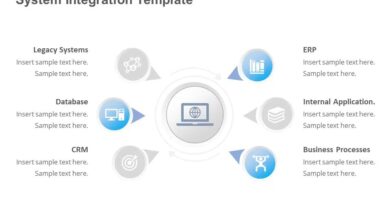
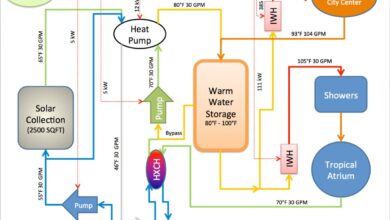
Ever wondered how complex organizations manage to function seamlessly? The answer often lies in the concept of a system group—a structured network of interconnected components working in harmony. Let’s dive into what makes system groups so essential in today’s world.



What Is a System Group?

The term system group might sound technical, but it’s a concept that applies across industries, from IT infrastructure to organizational management. At its core, a system group refers to a collection of interrelated elements designed to achieve a specific function or set of objectives. These elements—whether they are people, software, hardware, or processes—are not isolated; they interact in defined ways to maintain stability and efficiency.
Core Definition and Origin
The idea of a system group stems from systems theory, a multidisciplinary framework developed in the mid-20th century by thinkers like Ludwig von Bertalanffy. Systems theory posits that entities are best understood not in isolation, but as part of a larger whole. A system group embodies this principle by emphasizing interdependence. For example, in an enterprise IT environment, a system group could include servers, databases, user accounts, and access protocols—all configured to work together under centralized control.
Types of System Groups
System groups manifest in various forms depending on the context:
- Technical System Groups: Found in computing, such as Active Directory groups in Windows environments that manage user permissions.
- Organizational System Groups: Teams or departments within a company structured to perform specific functions (e.g., HR, finance).
- Social System Groups: Communities or networks where individuals interact based on shared goals or norms.
Each type operates under a set of rules and feedback mechanisms that ensure coherence and adaptability.
Key Characteristics of Effective System Groups
Not all collections of elements qualify as effective system groups. To be functional, a system group must exhibit certain traits:
- Interconnectedness: Components must communicate and influence one another.
- Purpose-Driven Design: There must be a clear objective the group is designed to achieve.
- Feedback Loops: Mechanisms for monitoring performance and making adjustments.
- Scalability: The ability to grow or adapt without losing integrity.
“A system is more than the sum of its parts; it’s about how those parts interact.” — Russell L. Ackoff
System Group in Information Technology
In the realm of IT, the term system group is frequently used to describe user and resource management structures. One of the most common applications is within directory services like Microsoft Active Directory, where system groups are used to streamline access control and policy enforcement.
User and Permission Management
One of the primary uses of a system group in IT is managing user permissions. Instead of assigning rights to individuals one by one, administrators create system groups—such as “Finance Team” or “IT Admins”—and assign permissions to the group. When a new employee joins, they’re simply added to the appropriate group, automatically inheriting all necessary access rights.
This approach reduces administrative overhead and minimizes errors. For instance, if a user moves from marketing to sales, removing them from the “Marketing” group and adding them to the “Sales” group instantly updates their access profile.
Security and Compliance Benefits
System groups play a crucial role in maintaining security and regulatory compliance. By centralizing access control, organizations can enforce the principle of least privilege—ensuring users only have access to resources necessary for their role. This is especially important in industries like healthcare (HIPAA) and finance (SOX), where data protection is paramount.
Regular audits of system group memberships help identify and remove orphaned accounts or excessive permissions. Tools like Microsoft’s Active Directory provide built-in reporting features to support these efforts.
Automation and Scalability in IT Operations
As organizations grow, manually managing thousands of user accounts becomes impractical. System groups enable automation through scripts and identity management platforms. For example, when an HR system registers a new hire, it can trigger an automated workflow that adds the employee to predefined system groups based on their job title and department.
This integration between HRIS (Human Resource Information Systems) and IT directories ensures consistency and reduces onboarding time. Platforms like Okta and Azure AD extend this capability to cloud environments, allowing system groups to span on-premises and cloud resources seamlessly.
System Group in Organizational Structure
Beyond technology, the concept of a system group is vital in shaping how organizations operate. Every company, regardless of size, relies on structured groupings to distribute responsibilities and coordinate activities.
Departmental System Groups
In most corporations, departments function as system groups. Each department—be it marketing, R&D, or customer service—has a defined purpose, resources, and performance metrics. These groups interact through formal channels (e.g., interdepartmental meetings) and informal networks (e.g., cross-functional teams).
The effectiveness of these system groups depends on clear communication protocols and shared goals. Misalignment between departments can lead to inefficiencies, such as duplicated efforts or conflicting priorities.
Cross-Functional Teams as Dynamic System Groups
Modern organizations increasingly rely on cross-functional teams—temporary system groups formed to tackle specific projects. Unlike permanent departments, these groups bring together individuals from different areas (engineering, design, sales) to innovate or solve complex problems.
For example, launching a new product might require a cross-functional system group that includes developers, marketers, and supply chain experts. Once the product is launched, the group may disband or transition into a maintenance phase.
Leadership and Governance in Organizational System Groups
Effective leadership is essential for maintaining cohesion within system groups. Leaders act as integrators, ensuring that individual contributions align with the group’s objectives. They also manage conflict, facilitate decision-making, and represent the group to external stakeholders.
Governance frameworks—such as RACI (Responsible, Accountable, Consulted, Informed)—help clarify roles within system groups. This prevents ambiguity and ensures accountability, especially in matrix organizations where individuals report to multiple managers.
System Group in Cybersecurity Frameworks
Cybersecurity is another domain where the concept of a system group is indispensable. Protecting digital assets requires coordinated efforts across people, processes, and technologies—all functioning as interconnected system groups.
Role-Based Access Control (RBAC) and System Groups
One of the foundational principles of cybersecurity is Role-Based Access Control (RBAC), which relies heavily on system groups. In RBAC, access rights are assigned based on job functions rather than individual identities. This means that instead of granting file access to “John Doe,” the system grants it to the “Finance Managers” group.
This method enhances security by reducing the attack surface. If an employee leaves the company, removing them from all system groups instantly revokes their access. It also simplifies compliance reporting, as auditors can review group memberships rather than individual permissions.
Incident Response Teams as Emergency System Groups
When a cyberattack occurs, organizations activate incident response teams—specialized system groups trained to contain threats, investigate breaches, and restore operations. These teams typically include members from IT, legal, PR, and executive leadership.
Their effectiveness depends on predefined protocols, regular drills, and clear communication channels. According to the NIST Cybersecurity Framework, having a well-structured incident response system group is critical for minimizing damage and recovery time.
Zero Trust Architecture and System Group Segmentation
The Zero Trust security model operates on the principle of “never trust, always verify.” In this framework, system groups are segmented into micro-perimeters, each with strict access controls. Even users within the same organization must authenticate every time they access a new system group.
For example, an employee in the sales department cannot access the R&D database unless explicitly granted permission through a verified request. This segmentation limits lateral movement by attackers and contains potential breaches.
System Group in Social and Community Networks
The concept of a system group extends beyond formal institutions into social and community settings. Online forums, professional associations, and even neighborhood watch programs are examples of system groups that rely on shared norms and collective action.
Online Communities as Digital System Groups
Platforms like Reddit, LinkedIn groups, or Discord servers function as digital system groups. Members join based on shared interests, professions, or goals. Moderators act as administrators, enforcing rules and maintaining order.
These groups often develop their own culture, language, and governance models. For instance, a subreddit dedicated to cybersecurity might have a tiered moderation system, automated bots for spam control, and community voting mechanisms—all hallmarks of a well-organized system group.
Grassroots Movements and Collective Action
Social movements often emerge as decentralized system groups. While they may lack formal hierarchies, they coordinate through shared communication channels (e.g., social media, encrypted messaging apps). The Arab Spring and #MeToo movement are examples of how loosely connected individuals can form powerful system groups capable of driving change.
These groups rely on emergent leadership, viral content, and network effects to amplify their message. Their strength lies in agility and broad participation, though they may struggle with long-term sustainability.
Trust and Norms in Social System Groups
Unlike technical or organizational system groups, social groups depend heavily on trust and informal norms. Reputation systems (like upvotes or badges) help establish credibility. Reciprocity—where members contribute because others have helped them—reinforces cooperation.
However, these groups are vulnerable to trolling, misinformation, and echo chambers. Effective moderation and transparent rules are essential for maintaining healthy dynamics.
System Group in Enterprise Resource Planning (ERP)
Enterprise Resource Planning (ERP) systems integrate various business functions into a unified platform. Within ERP environments, system groups are used to organize users, processes, and data flows to ensure operational efficiency.
User Roles and Module Access
In ERP systems like SAP or Oracle, system groups determine which modules users can access. For example, the “Procurement Team” group might have access to purchasing and vendor management modules, while the “Payroll” group can only view HR and compensation data.
This modular access prevents unauthorized changes and reduces the risk of data corruption. It also supports audit trails, as every action is logged against a user account linked to a system group.
Workflow Automation Across Departments
ERP systems use system groups to automate workflows. For instance, when a purchase request is submitted, the system routes it to the appropriate approval group based on amount and department. If the request exceeds a certain threshold, it may require approval from a senior management system group.
This ensures compliance with internal policies and creates transparency. Employees can track the status of their requests in real time, reducing frustration and follow-up emails.
Data Integrity and System Group Permissions
Maintaining data integrity is a top priority in ERP systems. System groups help by restricting who can create, edit, or delete records. For example, only members of the “Master Data Management” group may be allowed to update product catalogs or customer databases.
This prevents accidental or malicious alterations. Regular audits of system group permissions ensure that access remains aligned with job responsibilities, especially after role changes or promotions.
Future Trends in System Group Management
As technology evolves, so too does the way we design and manage system groups. Emerging trends are reshaping how organizations structure access, collaboration, and governance.
AI-Driven Group Management
Artificial intelligence is beginning to play a role in optimizing system group structures. Machine learning algorithms can analyze user behavior to recommend group memberships or detect anomalies—such as a marketing employee suddenly accessing financial reports.
AI-powered identity governance platforms can automatically suggest deprovisioning inactive accounts or flagging excessive permissions, reducing the burden on IT teams.
Decentralized Identity and Blockchain-Based Groups
Blockchain technology offers a new paradigm for system group management through decentralized identity (DID). Instead of relying on a central authority like Active Directory, users could belong to self-sovereign system groups where membership is verified via cryptographic proofs.
This could enhance privacy and reduce dependency on single points of failure. Projects like W3C’s Decentralized Identifiers are paving the way for this future.
Dynamic, Context-Aware System Groups
Future system groups may become context-aware, adapting access rights based on real-time factors like location, device security, or time of day. For example, a user logging in from an untrusted network might be placed in a restricted system group until additional verification is completed.
This adaptive approach aligns with Zero Trust principles and enhances security without sacrificing usability.
What is a system group?
A system group is a structured collection of interconnected elements—such as people, software, or processes—designed to work together to achieve a specific goal. It is commonly used in IT for access control, in organizations for departmental structure, and in social contexts for community building.
How are system groups used in cybersecurity?
In cybersecurity, system groups are used to implement Role-Based Access Control (RBAC), manage incident response teams, and enforce Zero Trust principles through segmented access. They help ensure that only authorized individuals can access sensitive systems and data.
Can system groups be automated?
Yes, system groups can be automated using identity management platforms, scripts, and AI tools. Automation allows for dynamic membership updates, compliance monitoring, and real-time access adjustments based on user behavior or organizational changes.
What are the benefits of using system groups in ERP systems?
System groups in ERP systems improve data security, streamline workflows, and ensure compliance. They enable role-based access, automate approval processes, and maintain data integrity by restricting unauthorized changes.
Are system groups only relevant in technology?
No, system groups are relevant across multiple domains, including organizational management, social networks, and community initiatives. Any structured group working toward a common objective can be considered a system group, regardless of the context.
From IT infrastructure to social movements, the concept of a system group is a powerful lens for understanding how interconnected elements collaborate to achieve shared goals. Whether managing user permissions in a corporate network or organizing a grassroots campaign, system groups provide the structure needed for efficiency, security, and scalability. As technology advances, we can expect system groups to become even more dynamic, intelligent, and adaptive—shaping the future of how we organize and interact in both digital and physical spaces.
Further Reading: