Ever wondered how complex software systems come to life? It all starts with a powerful framework known as the system development life cycle. This proven process guides teams from idea to deployment—and beyond.




What Is the System Development Life Cycle?

The system development life cycle (SDLC) is a structured approach used by software development teams to design, build, test, and deploy information systems. It’s not just about coding—it’s a comprehensive methodology that ensures quality, efficiency, and alignment with user needs.
Definition and Core Purpose
At its core, the system development life cycle is a step-by-step process for planning, creating, testing, and deploying a software system. Its primary goal is to produce high-quality systems that meet or exceed customer expectations, are delivered on time, and stay within budget.
According to the IEEE Computer Society, SDLC provides a well-defined structure for developers, project managers, and stakeholders to collaborate effectively throughout the development journey.
- Ensures systematic planning and execution
- Reduces risks of project failure
- Facilitates clear communication among stakeholders
Historical Evolution of SDLC
The concept of the system development life cycle dates back to the 1960s when large-scale business systems and databases began to emerge. As computing power grew, so did the complexity of software projects, necessitating a more organized approach.
Initially, SDLC was heavily influenced by manufacturing and engineering processes, particularly the waterfall model. Over time, it evolved to accommodate faster delivery cycles, changing user requirements, and agile methodologies.
“The SDLC is not a relic of the past—it’s a living framework that adapts to technological change.” — TechTarget, 2023
The 7 Key Stages of the System Development Life Cycle
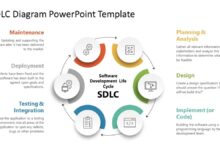
Understanding the system development life cycle means diving into its seven foundational stages. Each phase plays a critical role in ensuring the final product is functional, secure, and user-friendly.
1. Planning and Requirement Analysis
This is the foundation of the entire system development life cycle. During this stage, project managers and business analysts gather detailed requirements from stakeholders. The goal is to understand what the system should do, who will use it, and under what conditions.
Key activities include feasibility studies, cost-benefit analysis, and risk assessment. A well-documented requirement specification becomes the blueprint for all future development work.
- Identify user needs and business objectives
- Define scope, constraints, and success criteria
- Conduct market and competitor research
Tools like SWOT analysis and stakeholder interviews are commonly used. For more insights, visit Guru99’s guide on SDLC.
2. System Design
Once requirements are clear, the next step in the system development life cycle is designing the system architecture. This phase translates functional requirements into technical specifications.
Designers create data flow diagrams, entity-relationship models, and interface mockups. Decisions about technology stack, database design, security protocols, and system integration are made here.
- Architectural design (high-level structure)
- Interface design (user experience)
- Security and compliance planning
“A flawed design can doom even the most talented development team.” — MIT Technology Review
3. Implementation (Development)
This is where the actual coding happens—the heart of the system development life cycle. Developers write code based on the design documents, using programming languages and frameworks suited to the project.
Modern development environments often include version control systems like Git, integrated development environments (IDEs), and continuous integration tools.
- Code development in modules or components
- Unit testing for individual functions
- Integration with third-party APIs or services
Collaboration platforms like GitHub and GitLab streamline teamwork during this phase. Learn more at Atlassian’s Git tutorial.
4. Testing
No system development life cycle is complete without rigorous testing. This phase ensures the software behaves as expected and is free from critical bugs.
Testing types include unit testing, integration testing, system testing, and user acceptance testing (UAT). Automated testing tools like Selenium and JUnit help speed up the process.
- Functional testing (does it work?)
- Performance testing (how fast is it?)
- Security testing (is it safe?)
Defects are logged, prioritized, and fixed before the system moves forward. A robust testing strategy can reduce post-deployment issues by up to 60%, according to CNN Tech.
5. Deployment
After successful testing, the system enters the deployment phase of the system development life cycle. This is when the software goes live and becomes available to end-users.
Deployment strategies vary: some teams use a phased rollout, others opt for a big-bang launch. Cloud platforms like AWS and Azure offer scalable deployment options with minimal downtime.
- Install software in production environment
- Migrate data from legacy systems
- Train end-users and support staff
“Deployment isn’t the end—it’s the beginning of real-world validation.” — Harvard Business Review
6. Operation and Maintenance
Once live, the system enters ongoing operation. This stage of the system development life cycle focuses on monitoring performance, fixing bugs, and applying updates.
Maintenance can be corrective (fixing issues), adaptive (adjusting to new environments), perfective (improving features), or preventive (avoiding future problems).
- Monitor system health and user feedback
- Apply patches and security updates
- Optimize performance and scalability
Effective maintenance ensures long-term reliability and user satisfaction.
7. Evaluation and Feedback Loop
The final stage of the system development life cycle is often overlooked but crucial: evaluation. Teams assess whether the system met its original goals and gather feedback for future improvements.
Metrics like user adoption rate, system uptime, and return on investment (ROI) are analyzed. This phase closes the loop and often triggers a new cycle of enhancements.
- Conduct post-implementation reviews
- Collect user satisfaction surveys
- Document lessons learned
This continuous improvement mindset is central to modern SDLC practices.
Popular SDLC Models and Methodologies
The system development life cycle isn’t a one-size-fits-all process. Different projects require different approaches. Over the years, several SDLC models have emerged to suit various needs.
Waterfall Model
The waterfall model is the oldest and most linear of all SDLC methodologies. Each phase must be completed before the next one begins, making it highly structured and easy to manage.
It works best for projects with well-defined requirements and little expected change. However, its rigidity can be a drawback in dynamic environments.
- Sequential phases: requirements → design → implementation → testing → deployment
- Clear documentation at each stage
- Not ideal for agile or iterative development
Learn more about the waterfall model at TutorialsPoint.
Agile Model
The Agile model revolutionized the system development life cycle by introducing iterative and incremental development. Instead of delivering one final product, Agile delivers working software in small, frequent releases called sprints.
It emphasizes collaboration, customer feedback, and flexibility. Scrum and Kanban are popular Agile frameworks.
- Short development cycles (1-4 weeks)
- Daily stand-up meetings for progress tracking
- Continuous integration and delivery (CI/CD)
“Agile doesn’t eliminate chaos—it harnesses it for innovation.” — Forbes
Iterative and Spiral Models
The iterative model builds the system in repeated cycles, starting with a basic version and gradually adding features. The spiral model combines iterative development with risk analysis, making it ideal for large, high-risk projects.
Both models allow for early feedback and adaptation, reducing the chance of costly failures later on.
- Build a prototype, test, refine, repeat
- Risk assessment at each iteration
- Suitable for complex, evolving requirements
These models are widely used in defense, healthcare, and financial systems.
Benefits of Following the System Development Life Cycle
Adopting a formal system development life cycle offers numerous advantages for organizations of all sizes. It transforms chaotic development efforts into disciplined, predictable processes.
Improved Project Management
With clear phases and deliverables, project managers can track progress, allocate resources efficiently, and set realistic timelines. This transparency helps prevent scope creep and budget overruns.
- Clear milestones and checkpoints
- Better resource planning and team coordination
- Enhanced accountability across teams
Higher Quality Deliverables
By incorporating testing and reviews at every stage, the system development life cycle ensures that quality is built into the product from the start. This reduces defects and increases user satisfaction.
- Early detection of bugs and design flaws
- Consistent adherence to standards
- Greater reliability and performance
Cost and Time Efficiency
While SDLC may seem time-consuming initially, it actually saves time and money in the long run. Fixing a bug in the design phase is far cheaper than fixing it after deployment.
Studies show that organizations using SDLC reduce rework by up to 40%, according to Forbes Tech Council.
- Reduced rework and technical debt
- Faster time-to-market with proper planning
- Better alignment with business goals
Challenges and Limitations of SDLC
Despite its many benefits, the system development life cycle is not without challenges. Understanding these limitations helps teams adapt and overcome obstacles.
Rigidity in Traditional Models
Traditional models like Waterfall can be too rigid for fast-changing environments. If requirements change mid-project, going back to a previous phase can be costly and time-consuming.
- Difficult to accommodate late-stage changes
- Long feedback loops delay issue resolution
- High risk if initial requirements are flawed
Resource Intensity
Following a full system development life cycle requires skilled personnel, time, and financial investment. Small teams or startups may struggle to implement all phases thoroughly.
- Need for dedicated roles (analysts, testers, architects)
- Extensive documentation can slow progress
- Training and tooling costs add up
Overemphasis on Process
In some cases, teams become so focused on following SDLC procedures that they lose sight of the end-user. Bureaucracy can stifle creativity and innovation.
“Process should serve the product, not the other way around.” — Steve Jobs (paraphrased)
The key is balance—using SDLC as a guide, not a straitjacket.
Best Practices for Implementing SDLC
To get the most out of the system development life cycle, organizations should follow proven best practices that enhance flexibility, collaboration, and quality.
Involve Stakeholders Early and Often
One of the biggest mistakes in SDLC is excluding users or clients until late in the process. Continuous engagement ensures the final product meets real needs.
- Hold regular review meetings with stakeholders
- Use prototypes to gather early feedback
- Document and validate requirements collaboratively
Adopt DevOps and CI/CD Pipelines
Integrating development and operations (DevOps) with continuous integration and continuous deployment (CI/CD) automates testing and deployment, accelerating the system development life cycle.
- Automate builds and tests
- Enable rapid, reliable releases
- Improve traceability and rollback capabilities
Tools like Jenkins, Docker, and Kubernetes are essential in modern SDLC environments. Explore Docker’s container guide for more.
Use Version Control and Documentation
Effective version control ensures that code changes are tracked, reviewed, and reversible. Comprehensive documentation supports maintenance and onboarding.
- Use Git for source code management
- Maintain up-to-date system and API documentation
- Document decisions and changes in a knowledge base
Future Trends in the System Development Life Cycle
The system development life cycle continues to evolve with advancements in technology and shifts in business demands. Staying ahead means embracing emerging trends.
AI and Machine Learning Integration
Artificial intelligence is transforming SDLC by automating tasks like code generation, bug detection, and test case creation. AI-powered tools can analyze code for vulnerabilities and suggest optimizations.
- AI-assisted coding (e.g., GitHub Copilot)
- Predictive analytics for project risks
- Automated test generation
As AI matures, it will become a core component of the system development life cycle.
Low-Code and No-Code Platforms
These platforms allow non-developers to build applications using visual interfaces, reducing reliance on traditional coding. While not replacing SDLC, they integrate into it, especially for prototyping and small-scale projects.
- Faster development for business users
- Reduced burden on IT departments
- Need for governance and security oversight
Platforms like Microsoft Power Apps and OutSystems are leading this trend.
Increased Focus on Security (DevSecOps)
Security is no longer an afterthought. DevSecOps embeds security practices throughout the system development life cycle, from design to deployment.
- Threat modeling during design
- Static and dynamic code analysis
- Automated security testing in CI/CD pipelines
With cyber threats rising, secure SDLC practices are non-negotiable.
Real-World Applications of SDLC
The system development life cycle isn’t just theoretical—it’s used across industries to build mission-critical systems.
Healthcare Systems
Hospitals use SDLC to develop electronic health record (EHR) systems that comply with HIPAA and ensure patient data security. Rigorous testing and validation are essential.
- Patient data confidentiality and integrity
- Interoperability with medical devices
- Regulatory compliance (e.g., FDA, HIPAA)
Banking and Financial Services
Banks rely on SDLC to build secure transaction systems, mobile banking apps, and fraud detection algorithms. Downtime or bugs can lead to massive financial losses.
- High availability and fault tolerance
- Real-time transaction processing
- Compliance with PCI-DSS and SOX
E-Commerce Platforms
Companies like Amazon and Shopify use SDLC to continuously improve their platforms, adding features like recommendation engines, payment gateways, and inventory management.
- Scalability during peak traffic (e.g., Black Friday)
- User experience optimization
- Integration with third-party logistics and payment providers
These examples show how the system development life cycle drives innovation and reliability.
What is the main purpose of the system development life cycle?
The main purpose of the system development life cycle is to provide a structured, disciplined framework for developing high-quality software systems that meet user requirements, are delivered on time and within budget, and are maintainable over time.
What are the 7 stages of SDLC?
The seven stages of the system development life cycle are: 1) Planning and Requirement Analysis, 2) System Design, 3) Implementation (Development), 4) Testing, 5) Deployment, 6) Operation and Maintenance, and 7) Evaluation and Feedback Loop.
Which SDLC model is best for agile teams?
The Agile model is best suited for agile teams. It emphasizes iterative development, continuous feedback, and flexibility, allowing teams to adapt quickly to changing requirements and deliver value in short cycles.
How does SDLC improve software quality?
SDLC improves software quality by incorporating testing, reviews, and validation at every stage. This proactive approach helps identify and fix issues early, ensures alignment with requirements, and promotes adherence to coding and security standards.
Can SDLC be used for small projects?
Yes, SDLC can be scaled for small projects. While not all phases may be equally emphasized, the core principles—planning, design, development, testing, and deployment—still apply and help ensure project success even in smaller contexts.
The system development life cycle remains a cornerstone of effective software engineering. Whether you’re building a simple app or a complex enterprise system, following a structured SDLC ensures clarity, quality, and long-term success. By understanding its stages, models, benefits, and challenges, teams can choose the right approach and adapt it to their unique needs. As technology evolves, so too will the SDLC—embracing AI, automation, and security to meet the demands of the digital age.
Further Reading: