System development isn’t just about coding—it’s the backbone of modern innovation. From banking apps to smart cities, everything runs on systems built with precision, vision, and strategy. Let’s dive into the ultimate guide that breaks down every layer of system development with clarity and power.




What Is System Development? A Clear Definition

At its core, system development refers to the structured process of creating, designing, testing, and deploying information systems to meet specific organizational or user needs. It’s not limited to software alone—it encompasses hardware, data, people, procedures, and controls working together as a unified whole.
The Evolution of System Development
System development has evolved dramatically since the mid-20th century. What began with punch cards and batch processing in the 1950s has transformed into agile, cloud-based, AI-integrated systems today. Early models like the Waterfall method laid the foundation, but modern demands for speed and adaptability have pushed innovation forward.
- 1950s–60s: Manual processes and basic automation
- 1970s: Introduction of structured programming and SDLC
- 1980s–90s: Rise of relational databases and client-server architecture
- 2000s: Web-based systems and early agile practices
- 2010s–present: Cloud computing, DevOps, microservices, and AI-driven development
“The best systems aren’t built overnight—they’re engineered through disciplined system development practices.” — MIT Technology Review
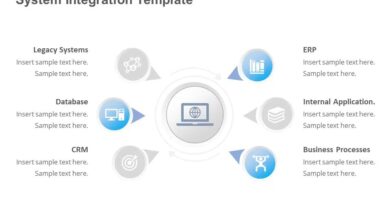
Key Components of a Developed System
A successful system isn’t just functional—it’s reliable, scalable, and user-friendly. The five essential components include:
- Hardware: Physical devices like servers, computers, and network equipment.
- Software: Applications and operating systems that run on hardware.
- Data: Information processed and stored by the system.
- Procedures: Operational rules and guidelines for system use.
- People: Users, developers, administrators, and stakeholders.
Each component must be aligned during system development to ensure seamless integration and performance.
The System Development Life Cycle (SDLC) Explained
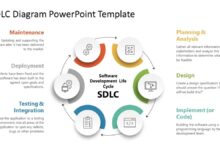
The System Development Life Cycle (SDLC) is the most widely accepted framework for managing the creation of information systems. It provides a clear roadmap from concept to deployment and maintenance. SDLC ensures quality, reduces risks, and keeps projects on schedule and within budget.
Phases of the SDLC
SDLC consists of seven well-defined phases, each critical to the success of system development:
- Planning: Define project scope, goals, resources, and feasibility.
- Analysis: Gather and analyze user requirements through interviews, surveys, and documentation.
- Design: Create system architecture, UI/UX mockups, and technical specifications.
- Implementation: Write code, set up databases, and integrate components.
- Testing: Validate functionality, security, and performance through unit, integration, and system tests.
- Deployment: Release the system to users in stages (pilot, phased, or big bang).
- Maintenance: Fix bugs, update features, and optimize performance post-launch.
Each phase feeds into the next, forming a cohesive system development journey.
Why SDLC Matters in Modern Projects
Without a structured approach like SDLC, system development can quickly spiral into chaos. Missed deadlines, budget overruns, and poor user adoption are common when processes are haphazard. SDLC brings discipline, accountability, and traceability to every stage.
For example, NASA uses rigorous SDLC models to develop mission-critical software for space exploration. A single error could cost millions—or lives. That’s why system development in high-stakes environments demands precision and documentation at every turn.
Learn more about SDLC best practices at IBM’s SDLC Guide.
Popular System Development Methodologies
Not all system development follows the same path. Different methodologies suit different project types, team sizes, and business goals. Choosing the right one can make or break your project.
Waterfall Model: The Traditional Approach
The Waterfall model is one of the earliest and most linear approaches to system development. Each phase must be completed before moving to the next, making it highly structured and easy to manage.
- Best for projects with fixed requirements
- Clear documentation at each stage
- Challenging to make changes once a phase is complete
While criticized for rigidity, Waterfall remains popular in industries like healthcare and defense where compliance and audit trails are crucial.
Agile Methodology: Flexibility and Speed
Agile revolutionized system development by introducing iterative cycles called sprints. Instead of waiting months for a final product, teams deliver working software every 2–4 weeks.
- Emphasizes customer collaboration over contract negotiation
- Responds quickly to changing requirements
- Encourages cross-functional teams and daily stand-ups
According to the State of Agile Report, over 70% of organizations now use Agile in some form, citing faster delivery and improved team morale.
DevOps: Bridging Development and Operations
DevOps takes system development a step further by integrating development (Dev) and IT operations (Ops). It emphasizes automation, continuous integration (CI), and continuous delivery (CD).
- Reduces time between code commits and production deployment
- Improves system reliability and monitoring
- Uses tools like Jenkins, Docker, and Kubernetes
Companies like Amazon and Netflix rely on DevOps to deploy code thousands of times per day with minimal downtime.
Key Roles in System Development Teams
No system is built by a single person. Successful system development requires a team of skilled professionals, each playing a vital role in bringing the vision to life.
Systems Analyst: The Bridge Between Business and Tech
The systems analyst acts as a translator between business stakeholders and technical teams. They gather requirements, identify inefficiencies, and recommend solutions that align with organizational goals.
- Conducts feasibility studies
- Creates process flow diagrams and use cases
- Ensures the final system meets user needs
This role is critical during the analysis phase of system development and often continues into testing and training.
Software Developers and Engineers
These are the builders—the coders who turn design specs into functional software. They write, test, and debug code using languages like Python, Java, or C#.
- Front-end developers focus on user interfaces
- Back-end developers handle server logic and databases
- Full-stack developers do both
In modern system development, developers also participate in code reviews, pair programming, and automated testing to ensure quality.
Project Managers and Scrum Masters
Project managers oversee timelines, budgets, and resources. In Agile environments, Scrum Masters facilitate sprints, remove blockers, and keep teams focused.
- Use tools like Jira, Trello, or Asana for task tracking
- Lead daily stand-ups and sprint retrospectives
- Ensure alignment with business objectives
A strong leader can significantly boost productivity and morale in any system development initiative.
Tools and Technologies in System Development
Modern system development relies heavily on tools that enhance collaboration, speed up coding, and improve quality. From integrated development environments (IDEs) to version control systems, the right tools make all the difference.
Integrated Development Environments (IDEs)
An IDE is a software suite that combines coding, debugging, and testing tools into one interface. Popular options include:
- Visual Studio Code: Lightweight, extensible, supports multiple languages
- IntelliJ IDEA: Preferred for Java development
- Eclipse: Open-source platform for enterprise applications
Using an IDE streamlines system development by reducing context switching and improving code accuracy.
Version Control Systems: Git and GitHub
Version control is essential for tracking changes, collaborating across teams, and rolling back errors. Git is the most widely used system, and platforms like GitHub or GitLab provide hosting and collaboration features.
- Enables branching and merging for parallel development
- Supports code reviews and pull requests
- Integrates with CI/CD pipelines
According to GitHub’s Octoverse Report, over 100 million developers use the platform, making it a cornerstone of modern system development.
Testing and Debugging Tools
No system is complete without thorough testing. Tools like Selenium (for web automation), JUnit (for unit testing), and Postman (for API testing) help ensure reliability.
- Automated testing reduces human error
- Performance tools like JMeter simulate high traffic loads
- Security scanners like OWASP ZAP detect vulnerabilities
Investing in robust testing tools is non-negotiable in professional system development.
Challenges in System Development and How to Overcome Them
Even with the best tools and teams, system development faces common pitfalls. Recognizing these challenges early can save time, money, and frustration.
Poor Requirement Gathering
One of the top reasons for project failure is unclear or incomplete requirements. Stakeholders may not know what they want, or their needs evolve during development.
- Solution: Use prototypes and wireframes to visualize ideas early
- Conduct regular feedback sessions with users
- Document all requirements in a centralized repository
Agile methodologies help here by allowing incremental adjustments based on real user input.
Scope Creep and Budget Overruns
Scope creep occurs when new features are added without adjusting timelines or budgets. This can derail even well-planned system development projects.
- Solution: Define a clear project scope upfront
- Use change control boards to evaluate new requests
- Set realistic milestones and stick to them
Regular audits and transparent communication keep stakeholders aligned and prevent surprises.
Security and Compliance Risks
In an era of data breaches and strict regulations (like GDPR or HIPAA), security can’t be an afterthought in system development.
- Solution: Implement secure coding practices from day one
- Conduct regular penetration testing
- Ensure compliance with industry standards
Integrating security into the SDLC—known as DevSecOps—ensures that vulnerabilities are caught early and fixed efficiently.
Future Trends Shaping System Development
The world of system development is constantly evolving. Emerging technologies and shifting user expectations are redefining how systems are built and deployed.
Artificial Intelligence and Machine Learning Integration
AI is no longer science fiction—it’s a core part of modern system development. From chatbots to predictive analytics, AI enhances functionality and user experience.
- AI-powered code assistants (like GitHub Copilot) suggest code snippets
- ML models automate decision-making in finance, healthcare, and logistics
- Natural language processing improves user interaction
As AI tools become more accessible, they’re democratizing system development for non-experts too.
Low-Code and No-Code Platforms
Platforms like Microsoft Power Apps, Bubble, and OutSystems allow users to build applications with minimal coding. This accelerates system development for small businesses and citizen developers.
- Reduces dependency on professional developers
- Speeds up prototyping and MVP creation
- Limited customization compared to full-code solutions
While not a replacement for complex systems, low-code/no-code is reshaping how quickly ideas can become reality.
Cloud-Native and Microservices Architecture
Modern system development increasingly favors cloud-native applications built with microservices. Instead of one monolithic codebase, systems are broken into small, independent services.
- Each service can be developed, deployed, and scaled independently
- Improves fault isolation and resilience
- Uses containers (Docker) and orchestration (Kubernetes)
Companies like Uber and Spotify use microservices to handle millions of users with high availability and performance.
Best Practices for Successful System Development
Following proven best practices dramatically increases the chances of delivering a successful system on time and within budget.
Start with a Clear Vision and Scope
Before writing a single line of code, define the system’s purpose, target audience, and key features. A well-documented project charter or vision statement keeps everyone aligned.
- Identify primary and secondary objectives
- Define success metrics (e.g., user adoption, performance benchmarks)
- Get stakeholder sign-off before proceeding
Prioritize User-Centered Design
The best systems are intuitive and user-friendly. Involve real users in the design process through usability testing, personas, and journey mapping.
- Design for accessibility (WCAG compliance)
- Use consistent UI patterns and feedback mechanisms
- Iterate based on user feedback
Remember: a system that works perfectly but confuses users will fail.
Embrace Automation and CI/CD
Manual processes are slow and error-prone. Automate testing, deployment, and monitoring to improve efficiency and reliability.
- Set up pipelines that run tests on every code commit
- Use infrastructure-as-code (IaC) tools like Terraform
- Monitor system health with tools like Prometheus or Datadog
Automation is a cornerstone of modern system development excellence.
What is system development?
System development is the structured process of creating, designing, testing, and deploying information systems to meet specific user or organizational needs. It includes planning, analysis, design, implementation, testing, deployment, and maintenance phases.
What are the main methodologies in system development?
The main methodologies include Waterfall (linear and sequential), Agile (iterative and flexible), and DevOps (integrating development and operations). Each has its strengths depending on project size, complexity, and requirements.
Why is SDLC important in system development?
SDLC provides a clear framework that ensures quality, reduces risks, and keeps projects on schedule. It allows for systematic planning, testing, and maintenance, making it essential for successful system development.
What tools are essential for system development?
Essential tools include IDEs (like VS Code), version control systems (like Git), testing frameworks (like Selenium), and project management tools (like Jira). These enhance collaboration, efficiency, and code quality.
How is AI changing system development?
AI is automating coding tasks, improving testing accuracy, and enabling smarter applications. Tools like GitHub Copilot assist developers, while AI-driven analytics optimize system performance and user experience.
System development is more than just writing code—it’s a strategic discipline that combines technology, process, and people. From defining requirements to deploying scalable solutions, every step matters. Whether you’re using traditional Waterfall or cutting-edge DevOps, the principles of planning, collaboration, and continuous improvement remain constant. As AI, cloud computing, and low-code platforms reshape the landscape, staying informed and adaptable is key. By following best practices and leveraging the right tools, you can master system development and build systems that are not only functional but transformative.
Further Reading: